
Food Shipping

Running a food business today means operating under a compliance burden that grows with every regulatory update, every supply chain partner added, and every new market entered. The Food Safety Modernization Act reshaped what the FDA expects from manufacturers, importers, and distributors. The Food Traceability Rule that took effect in 2026 added documentation requirements that…

The call comes in on a Thursday afternoon. A shipment of imported olive oil arrived at the distribution center with clear signs of temperature deviation. The product is unsaleable. The importer files a cargo claim and waits. A week later, the claim is partially denied: the policy has a temperature excursion exclusion for delays caused…

A food importer receives a shipment of specialty olive oil from Spain. During transit, the cargo is damaged when condensation inside the container causes the product labels to degrade, the packaging to weaken, and a portion of the bottles to crack under shifting pressure. The importer files a claim. The insurer denies it. Why? Because…
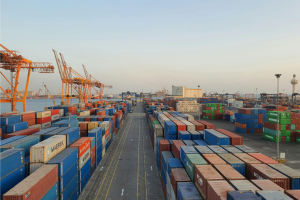
Cargo theft is not a fringe concern for food shippers. It is a growing operational and financial risk that cost the U.S. supply chain an estimated $223 million in reported losses in a single recent year — and industry analysts consistently note that reported figures represent a fraction of what actually occurs. Food and beverages…